Getting Back to Our 1:1 Roots
It’s not often that I get to actually attend sessions at conferences any longer. Many times, conferences for me now mean more presenting and facilitating learning, having in person conversations with individual educators or vendors, having meetings for different education initiatives with groups of people that aren’t often gathered in the same spaces, and with IDEAcon, I have an organizer’s role to play to help ensure our attendees are learning, connecting, and collaborating while they’re there. But when I do get to attend sessions, I love seeing new and seasoned presenters, old and new friends, educators talking about their passions, their strategies to solve tough problems, and their stories so that we know we’re not alone.
Recently, I had the privilege of being a Featured Speaker at LACUE in New Orleans. Also there in the same capacity was
Dr. Adam Phyall, a former high school science teacher, IDEAcon Thought Leader, and current Director of Professional Learning and Leadership with the nonprofit All4Ed. We had just gotten to catch up the week prior at TETC in Chattanooga, TN, and when we landed in the same space again, I told him that I hadn’t gotten to see him present in a long while and that I’d like to see a session if he had one at a time I was free. Luckily for me, he did, and it was one that has left me reflecting since.
Adam talked about the magic of connections, and he focused on ways to create space for meaningful interactions in our classrooms. But it was more than just the general content of Adam’s session that really got me thinking. What stuck with me and has continued to live rent free in my brain is when Adam reminded us, especially those of us who have been educators for a while, who started before 1:1 computers/devices were possible in schools and before it became the norm, that 1:1 wasn’t started so that all students would be on a device at all times. It started, and was celebrated, because it suddenly opened a new world of possibilities for teachers and students.
For those of us who taught in buildings with one computer lab, we can remember having to try to reserve the lab for a time that would work for the class we hoped could utilize it for the lesson. This required the lab schedule to be open, and sometimes we had to look two, three, or even four weeks into the future to find an opening that would work for us. That also meant we had to have our students all at the same point in whatever research or project we were working on so that they could utilize the time.
The power of 1:1 was that teachers and students were empowered to have choice in learning, to have the ability to pull out a device to research when a student was at that point and needed the device, to be able to extend learning or offer additional resources for reteaching and differentiating learning. But somewhere along the way, we forgot what 1:1 was for at its roots. Instead of using these devices as a tool in our toolbox, we started using them as
THE toolbox, putting everything on devices, even when it was just a substitution of a digital worksheet for a physical worksheet.
As some districts start to consider pulling back on 1:1 initiatives in order to save money, to address behaviors they see as tied to technology use, to avoid some of the security issues that come up with students on 1:1 devices for the majority of a day, it’s hard not to think of how the tool that was supposed to provide a more equitable and flexible education has become more of an albatross around educators’ necks in some ways. However, eliminating 1:1 isn’t the solution. It’s an easy “fix” that doesn’t actually fix the existing problems or prepare students for a world outside of school that requires them to be technologically literate.
We need to go back to our 1:1 roots. Having access to 1:1 devices is important. Being able to learn at different speeds and support more equitable student learning in different ways that 1:1 technology makes possible is necessary. Instead of eliminating that access, we need to make the 1:1 devices
a tool in our toolbox instead of
THE tool.
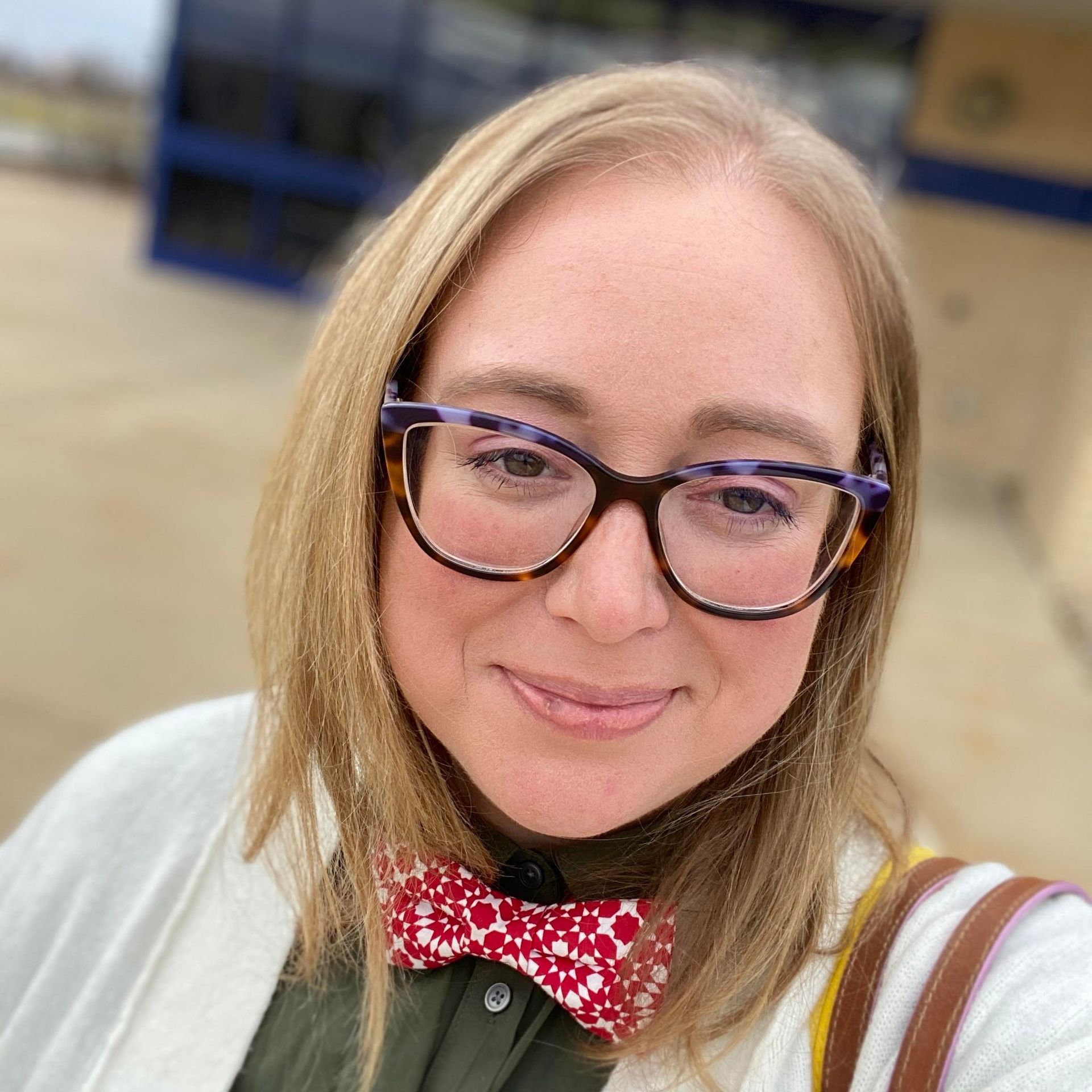
Stefanie Crawford is an educational reform advocate and entrepreneur. She has worked in education for nearly 20 years as a classroom teacher, K-12 instructional coach, Professional Development Coordinator for a Regional Office of Education, and currently as the Executive Director at Illinois Digital Educators Alliance.
Stefanie advocates for changes in the traditional grading system, rethinking instruction, making lasting changes that support DEI & Accessibility for all students, including neurodivergent individuals, and the meaningful inclusion of technology in instruction.
RECENT ARTICLES