Can we bring back the Coffee Station?
IDEA Guiding Principles: CONNECT + SHARE + INSPIRE

Meeting around the coffee station once created natural moments for educators to connect, exchange ideas, encourage one another, and take a breath together. In today’s busy schools, those informal moments can be easy to miss.
This is not really about coffee. It is about connection.
What We May Have Lost
A quick conversation while refilling a cup could lead to a classroom idea, a helpful resource, a solution to a problem, or reassurance from someone who understood.
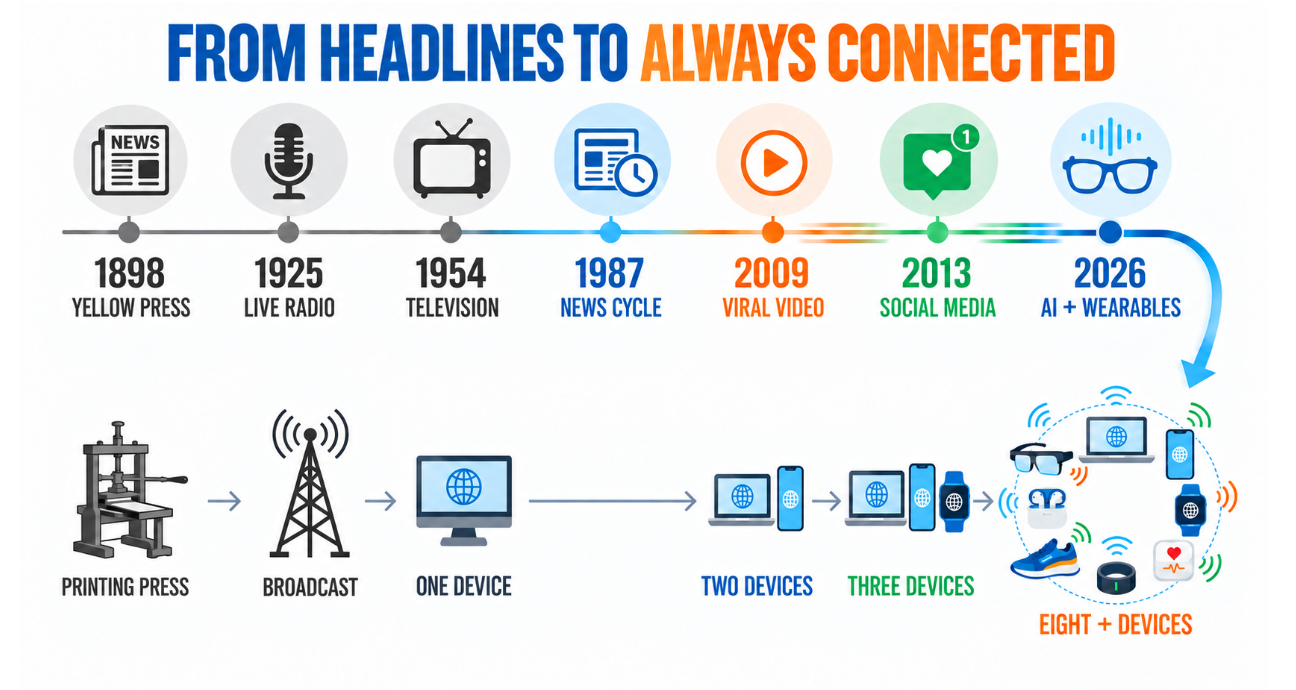
Technology helps educators communicate efficiently, but efficiency does not always create meaningful relationships. Group chats, shared documents, and video meetings are useful, but they do not completely replace spontaneous conversations between colleagues.
Rethinking the Coffee Station
A modern coffee station could be a welcoming space where educators from different roles naturally cross paths. It might include comfortable seating, charging access, shared resources, or a place to post questions and ideas.
Coffee does not need to be the focus. The important ingredient is the invitation to connect.
The space alone, however, is not enough. Educators also need the time, permission, and encouragement to pause. The goal is not another initiative. It is to make small moments of human connection easier.
What Illinois Research Adds
Recent research from Illinois universities reinforces the value of professional community.
A 2025 University of Illinois Urbana-Champaign dissertation found that a community of practice helped novice teachers develop stronger feelings of belonging, learn through peer feedback, and feel less isolated.
Research: https://www.ideals.illinois.edu/items/139564
A 2026 University of Illinois Chicago review examines connections between teacher well-being and student well-being and learning. A coffee station cannot solve burnout, but a welcoming shared space can communicate that supporting educators matters.
Research: https://doi.org/10.3102/00346543251413248
Northwestern University also reported on 2026 workplace research involving repeated, structured conversations between colleagues. The findings suggest that relationships can grow when people have ongoing opportunities to connect.
Research: https://www.ipr.northwestern.edu/news/2026/new-research-march-2026.html
IDEA as a Statewide Coffee Station
IDEA hopes to serve as a statewide water cooler and coffee station for Illinois educators. It is a welcoming place to meet people beyond our own schools, exchange ideas, ask questions, find encouragement, and build relationships. Whether we gather at an event, through an IDEA Regional or Spotlight Community, online, or over an actual cup of coffee, the purpose is the same: helping educators connect, grow, share, and inspire one another. Explore IDEA’s communities: https://www.ideaillinois.org/Join
Continue the Conversation
What creates natural opportunities for educators to connect in your school? What has been lost, and what could be rebuilt?
Connect with IDEA:
Website:
https://www.ideaillinois.org/
Facebook:
https://www.facebook.com/ideaillinois
X:
https://x.com/ideaillinois
Bluesky:
https://bsky.app/profile/ideaillinois.bsky.social
Sometimes strengthening a professional community begins with something simple,
a shared space, a warm drink, and enough time to ask a colleague, “How are you doing?”
Share this story
RECENT ARTICLES