Real Voices, Healthier Communities
IDEA Guiding Principles: CONNECT + SHARE + INSPIRE
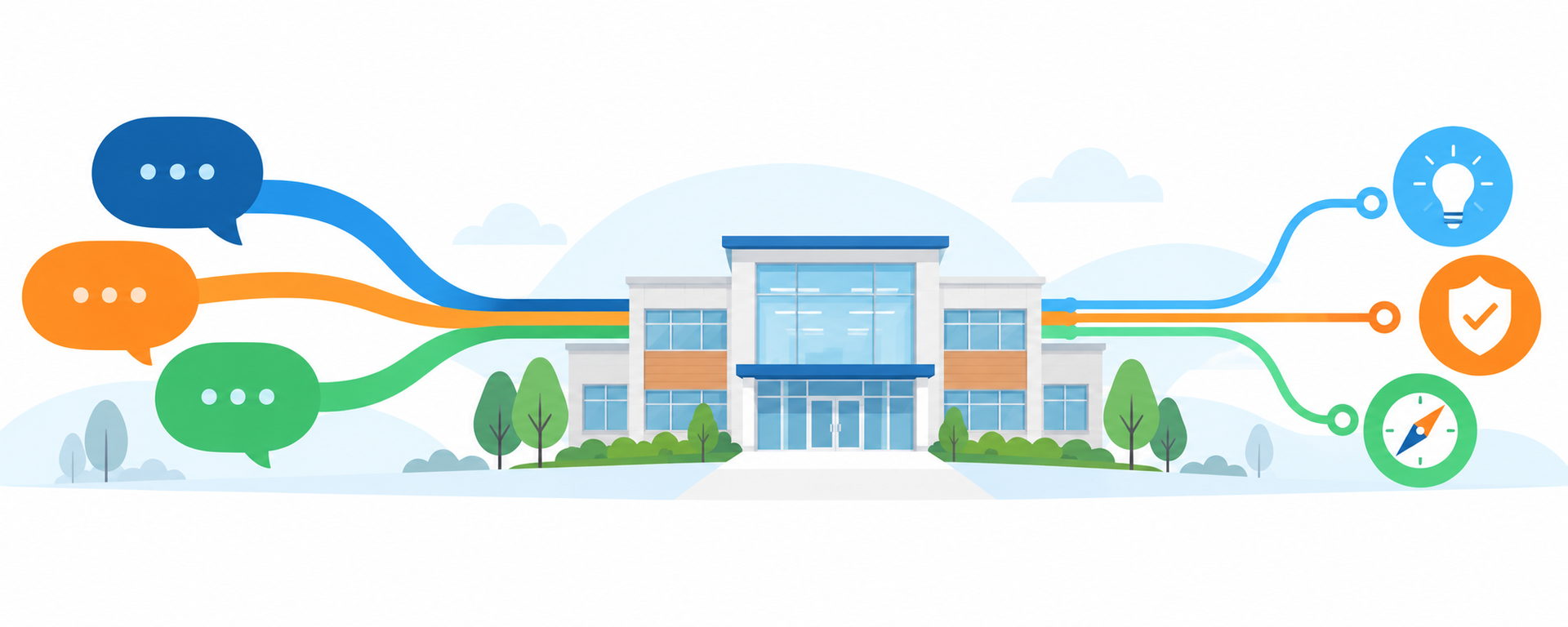
The theme of World Mental Health Day 2026 is “Lived experiences heard: real voices, real change.” The World Health Organization is asking us to do more than invite people to share their stories. People with lived experience should help shape the decisions, programs, and services that affect their lives.
That message matters in education. Students, educators, families, school mental health professionals, and community partners experience our schools differently. If we want healthier school communities, we need to listen to those experiences and allow them to influence what comes next.
The Need Is Real in Illinois
A 2025 report from Lurie Children’s Hospital of Chicago examined responses from more than 1,000 Illinois parents at each of four survey points. At every point, approximately half reported that their child was experiencing one or more worsening mental health symptoms. These were parent-reported symptoms, not clinical diagnoses, but the pattern is important. A student’s ability to concentrate, participate, build relationships, and feel a sense of belonging affects every part of the school experience.
Illinois is also preparing schools to offer annual mental health screenings to students in grades 3 through 12 beginning in the 2027–28 school year, provided the state supplies free access to the necessary tools and technology. The Illinois State Board of Education is developing guidance to help districts prepare. Screening may help identify needs, but collecting information is only a first step. Schools still need trusted relationships, trained professionals, family communication, and plans for connecting students with appropriate support.
Where Wearable Technology May Fit
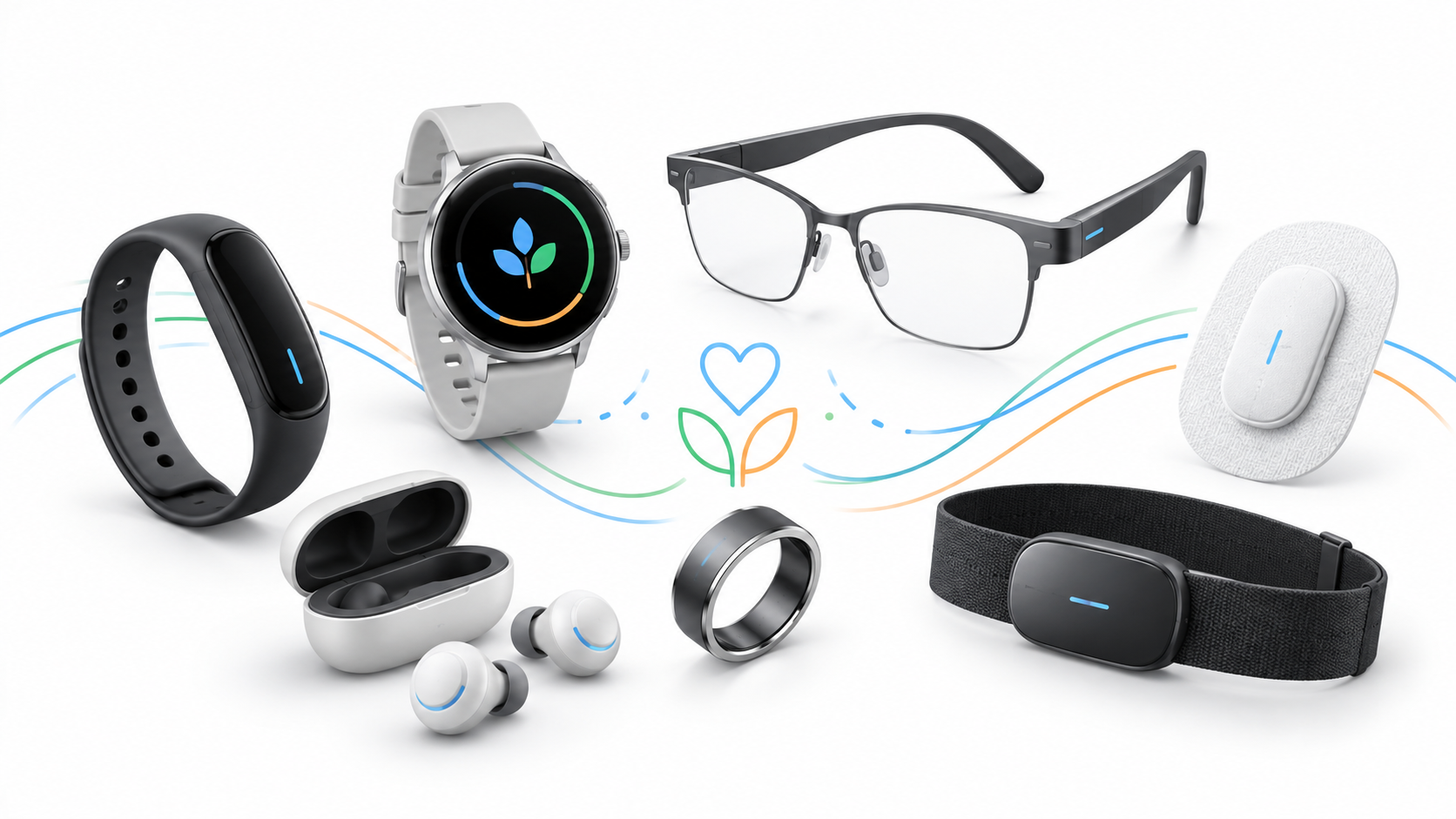
Wearable technology can already monitor activity, sleep, heart rate, and other physical signals. As artificial intelligence becomes better at finding patterns in that information, wearables may help people recognize stress, reflect on habits, and begin conversations about well-being.
A 2026 systematic review of wearable devices and adolescent mental well-being found that wearables could increase awareness and motivation. The researchers also found that their value depended on comfort, reliability, privacy, safety, social acceptance, and the needs of the individual. In some cases, self-tracking amplified negative emotions.
That is an important reminder for schools. A wearable may help someone notice a pattern, but it should not define a student, diagnose a condition, or replace qualified professionals. Before using wearable information, schools need to understand why the data is being collected, who can see it, how long it will be kept, whether participation is truly optional, and what support will be available if the technology identifies a concern.
Technology should support a conversation, not become the conclusion.
Where IDEA Fits
IDEA is not a mental health provider. Our role is to connect educators with people, research, perspectives, and practical experiences that help them ask better questions and make thoughtful decisions. IDEA’s Wearables | Learning Spotlight Community brings educators together to explore how wearable technology and artificial intelligence are influencing health, wellness, human performance, and learning. It can create space for educators, counselors, health professionals, students, and families to examine both the possibilities and the risks.
We can discuss what these technologies measure and what they miss. We can explore privacy, consent, access, bias, and responsible data use. Most importantly, we can keep human needs ahead of technological capability. World Mental Health Day reminds us that lived experience is expertise. Wearable technology may help us recognize patterns, but no device can replace a trusted adult who notices, listens, cares, and knows what to do next. Real change begins when people are heard and their voices help shape our decisions. That is how we connect, and that is how we build healthier communities.
If you or someone you know is experiencing a mental health or substance-use crisis,
call or text 988 for confidential, 24-hour support.
Learn more through the Illinois Department of Public Health.
RECENT ARTICLES